Glaucoma Warning Signs: When to See a Specialist
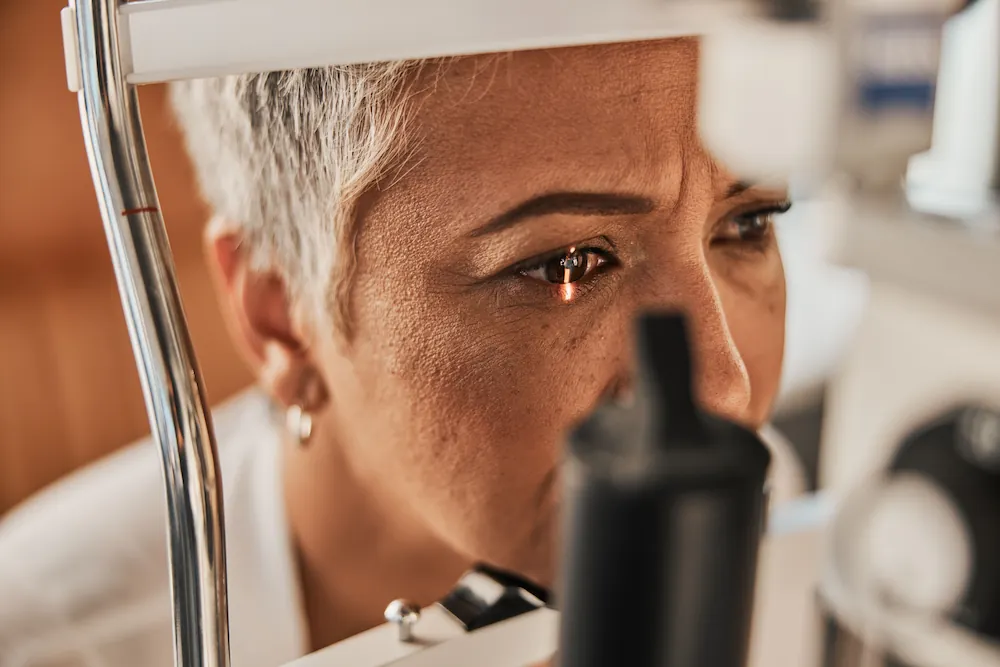
Understanding Glaucoma: The Silent Vision Thief
Glaucoma is a group of eye diseases that damage the optic nerve, typically caused by elevated intraocular pressure (IOP). It often progresses without any noticeable symptoms in its early stages.
More than 4.2 million Americans are living with glaucoma, and many do not know they have it, according to the Centers for Disease Control and Prevention.
This blog covers early glaucoma symptoms, open angle glaucoma symptoms, and narrow angle glaucoma symptoms, along with risk factors, screening, and treatment options available at Kovach Eye Institute.
The optic nerve carries visual information from your eye to your brain. When fluid pressure builds up inside the eye, it can gradually damage the nerve fibers and lead to permanent vision loss. Vision loss from glaucoma is irreversible. Once nerve damage occurs, it cannot be restored.
This is why the American Academy of Ophthalmology calls glaucoma the “silent thief of sight,” and why early detection and specialist care are essential.
Early Glaucoma Symptoms: Why Most People Miss Them
One of the most challenging aspects of glaucoma is that early glaucoma symptoms are often completely absent. Many patients do not realize they have the disease until vision loss has already occurred. This asymptomatic nature is why regular eye exams are so important, especially for those at higher risk.
The Asymptomatic Stage
- No noticeable vision changes. Your vision appears completely normal.
- Subtle peripheral vision loss. You might miss objects in your side vision without realizing it.
- No eye pain or discomfort. Unlike some eye conditions, glaucoma does not typically cause pain in early stages.
- Normal eye appearance. Your eyes look healthy to the naked eye.
This is why many people discover they have glaucoma only during a routine eye exam, when an eye doctor measures intraocular pressure or performs visual field testing.
Gradual Vision Changes
- Peripheral vision loss. Objects at the edges of your visual field become harder to see, often starting in one eye.
- Tunnel vision. In advanced stages, your field of vision narrows significantly.
- Blurred or hazy vision. Central vision may become less sharp, though this typically occurs later in the disease.
- Difficulty with night driving. Reduced peripheral vision makes it harder to see oncoming traffic or obstacles.
Open Angle Glaucoma Symptoms vs. Narrow Angle Glaucoma Symptoms
Not all glaucoma presents the same way. Understanding the differences between the two most common types, open angle glaucoma and narrow angle glaucoma (also known as angle-closure glaucoma or closed-angle glaucoma), can help you recognize warning signs specific to your risk profile.
Open Angle Glaucoma Symptoms
Open angle glaucoma accounts for about 90% of all glaucoma cases. It develops slowly and often without symptoms.
- Gradual peripheral vision loss, usually beginning in the outer edges of your visual field
- Slow progression that may take years before you notice changes
- No acute pain, unlike narrow angle glaucoma
- Often discovered during routine exams, when an eye doctor detects elevated IOP or optic nerve damage
Narrow Angle Glaucoma Symptoms
Narrow angle, or closed angle, glaucoma is less common but more acute. It can develop suddenly and requires immediate medical attention.
- Severe eye pain, often described as intense, throbbing pain in and around the eye
- Sudden vision changes, including blurred or hazy vision that appears suddenly
- Halos around lights, especially rainbow-colored rings at night
- Red eyes with significant redness and irritation
- Nausea and vomiting, which often accompanies the eye pain
- Severe headaches that may be mistaken for migraines
Important: If you experience any of these acute symptoms, seek emergency eye care immediately. Narrow angle glaucoma is a medical emergency that can lead to permanent vision loss if not treated promptly.
Glaucoma Risk Factors: Who Should Be Most Vigilant?
Understanding your risk factors helps determine how often you should have eye exams and how closely you should monitor for warning signs.
Age, Family History, and Ancestry
- Age 40 and older, with risk increasing significantly after age 60
- Family history of glaucoma, which significantly increases your risk
- African, Hispanic, or Asian ancestry, which is associated with earlier and more frequent glaucoma
- Previous eye injuries, since trauma to the eye can increase glaucoma risk years later
Medical Conditions
- Diabetes, which raises the risk of developing glaucoma
- High blood pressure, since hypertension is associated with increased IOP
- Cardiovascular disease, which correlates with glaucoma risk
- Thyroid disease, since some thyroid conditions may increase risk
Eye-Specific Risk Factors
- Thin corneas, which are associated with higher glaucoma risk
- High intraocular pressure, with pressures above 21 mmHg considered elevated
- Long-term corticosteroid use, which can increase IOP
- Refractive errors, since both myopia and hyperopia increase risk
- Previous eye surgery, since some procedures may increase glaucoma risk
When Should You See an Eye Doctor? Red Flags That Demand Immediate Attention
Schedule a Routine Eye Exam If:
- You are over 40. Everyone should have a baseline eye exam by this age.
- You have a family history of glaucoma. More frequent exams are recommended.
- You have diabetes or high blood pressure. Annual or biannual exams are important.
- You have had an eye injury. Even minor injuries warrant evaluation.
- You are taking corticosteroids. Regular monitoring is essential.
- You have not had an eye exam in two or more years. Preventive care is your best defense.
Seek Immediate Specialist Care If You Experience:
- Sudden vision loss, whether partial or complete
- Sudden loss of peripheral vision, especially if it occurs in one eye
- Severe eye pain with vision changes, which suggests acute angle closure
- Persistent eye redness that does not resolve within a few days
- Halos around lights, especially with eye pain or blurred vision
- Severe headaches with eye symptoms, particularly with nausea or vomiting
- Sudden blurred or hazy vision that persists
Glaucoma Screening and Diagnosis: What to Expect
If you are concerned about glaucoma or have risk factors, here is what a comprehensive eye exam includes.
Tonometry (Intraocular Pressure Measurement)
Your eye doctor uses a tonometer to measure the fluid pressure inside your eye. This quick, painless test is essential for glaucoma screening. Normal IOP generally ranges from 10 to 21 mmHg, though some people with higher pressures never develop glaucoma, and some with normal pressures do.
Visual Field Testing
This test measures your complete field of vision, including peripheral areas. You look into a machine and indicate when you see lights appear in different areas of your visual field. This helps detect early peripheral vision loss you might not notice in daily life.
Optical Coherence Tomography (OCT)
OCT imaging creates detailed cross-sectional images of your optic nerve and retina. This allows your eye doctor to detect subtle changes in the optic nerve that indicate glaucoma damage, often before you notice any vision loss.
Gonioscopy
For patients at risk of narrow angle glaucoma, gonioscopy allows your eye doctor to examine the drainage angle of your eye. This helps determine whether you have open or narrow angles and guides treatment decisions.
Treatment Options: From Medication to Advanced Technology
Early detection combined with appropriate treatment can slow or stop glaucoma progression in most cases. Treatment options range from medications to advanced surgical techniques.
Medication Management
Prescription eye drops are typically the first line of treatment. These medications either reduce fluid production or improve fluid drainage, and may include prostaglandin analogs, beta-blockers, alpha-adrenergic agonists, or carbonic anhydrase inhibitors. Consistent use of prescribed drops is critical. Missing doses can allow pressure to rise and damage to progress.
Laser Treatment
Laser trabeculoplasty uses focused light to improve drainage in the eye’s trabecular meshwork, reducing intraocular pressure. This minimally invasive procedure can be performed in an office setting and often reduces the need for medication.
Interventional Glaucoma Care
Many eye doctors, including the team at Kovach Eye Institute, now favor a more proactive philosophy toward glaucoma care, treating the condition earlier instead of waiting for vision loss to progress. Rather than relying only on daily eye drops, this approach uses minimally invasive procedures and sustained-release implants to lower eye pressure and protect the optic nerve from the earliest stages of disease.
Our glaucoma specialists offer a broad range of interventional options, including canal-based procedures and micro-stents designed to improve the eye’s natural drainage system, alongside sustained-release medication implants. Treatment is tailored to your visual needs and the stage of your glaucoma, and many of these procedures are combined with cataract surgery when both conditions are present. By addressing glaucoma earlier with proven technology, interventional care can reduce your dependence on medication, provide more consistent pressure control, and help protect your vision and quality of life for years to come..
Surgical Options
For patients who do not respond adequately to medication or laser treatment, surgical options include:
- Trabeculectomy, which creates a new drainage pathway for fluid
- Glaucoma drainage implants, small tubes that help fluid drain from the eye
- Minimally invasive glaucoma surgery (MIGS), newer techniques with faster recovery times
Prevention and Early Detection: Your Best Defense
While you cannot prevent glaucoma entirely, you can take steps to protect your vision.
Regular Eye Exams
- Ages 20 to 39: every three to five years, or annually if you have risk factors
- Ages 40 to 54: every one to two years
- Ages 55 and older: every one to two years, annually if you have risk factors
- High-risk individuals: every six to twelve months
Lifestyle Modifications
- Maintain healthy blood pressure through diet, exercise, and medication
- Manage diabetes and keep blood sugar levels stable
- Exercise regularly, since physical activity may help lower IOP
- Limit caffeine, since some studies suggest excessive caffeine may temporarily raise IOP
- Protect your eyes with safety glasses during activities that risk eye injury
- Avoid smoking, which is associated with increased glaucoma risk
Medication Compliance
If you have been prescribed glaucoma medications, use them exactly as directed. Missing doses or stopping treatment can allow pressure to rise and vision loss to progress.
Frequently Asked Questions About Glaucoma Warning Signs
Can I feel glaucoma developing?
No. Early glaucoma typically causes no symptoms or pain. This is why regular eye exams are so important. Your eye doctor can detect changes before you notice them.
Is eye pain always a sign of glaucoma?
Not necessarily. While acute angle closure glaucoma causes severe pain, most glaucoma is painless. Eye pain can indicate other conditions, so it is important to see an eye doctor for proper diagnosis.
How often should I get my eyes checked if I have a family history of glaucoma?
If you have a close relative with glaucoma, you should have comprehensive eye exams at least annually, starting at age 40 or earlier if recommended by your eye doctor.
Can glaucoma be cured?
No, but it can be effectively managed. Early detection and consistent treatment can slow or stop vision loss, which is why early intervention is so important.
What is the difference between high eye pressure and glaucoma?
High intraocular pressure is a risk factor for glaucoma, but not everyone with elevated pressure develops the disease. Some people develop glaucoma with normal-range pressures, a condition known as normal-tension glaucoma. Your eye doctor monitors both pressure and optic nerve health.
Are there any warning signs I can detect at home?
In early stages, no. However, if you notice gradual peripheral vision loss, tunnel vision, or halos around lights, contact your eye doctor immediately. Regular self-monitoring of your vision can help you notice changes.
Don’t Wait: Schedule Your Glaucoma Evaluation Today
Glaucoma is often called the silent thief of sight because it progresses without warning. With early detection and proper treatment, you can preserve your vision and maintain your quality of life.
If you are experiencing any of the warning signs in this article, or if you have risk factors for glaucoma, do not delay. Request an appointment at Kovach Eye Institute today for a comprehensive eye exam with one of our experienced ophthalmologists. We use advanced diagnostic technology to detect glaucoma in its earliest stages, when treatment works best, at our Chicagoland locations in Elmhurst, Naperville, South Barrington, and Lincolnwood.
Your vision is too important to leave to chance. Schedule your glaucoma screening with Kovach Eye Institute today.
Sources
- Centers for Disease Control and Prevention. VEHSS Modeled Estimates: Prevalence of Glaucoma. Available: https://www.cdc.gov/vision-health-data/prevalence-estimates/prevalence-estimates-glaucoma.html. Accessed July 9, 2026.
- American Academy of Ophthalmology. Understanding Glaucoma. Available: https://aao.org/eye-health/diseases/what-is-glaucoma. Accessed July 9, 2026.