LASIK Eye Surgery
Discover improved vision without glasses or contacts. At Kovach Eye Institute, our experienced surgeons offer advanced LASIK eye surgery to patients throughout Chicago and the surrounding Chicagoland area. Led by pioneering ophthalmologist Dr. Kevin J. Kovach, our team brings over 30 years of combined experience and a commitment to the latest refractive surgery techniques.
We have helped thousands of patients achieve their vision goals. Whether you’re interested in traditional LASIK or the innovative SMILE LASIK procedure, we provide personalized treatment plans to deliver exceptional results.


At Kovach Eye we believe in vision without limits.
Are you a candidate for vision correction surgery? Take our Vision Quiz to see if it’s a good fit!
- What Is LASIK Eye Surgery?
- How LASIK Works: The Procedure Explained
- Conditions LASIK Treats
- LASIK Technology at Kovach Eye Institute
- Who Is a Candidate for LASIK?
- The LASIK Procedure: What to Expect
- LASIK Safety and Outcomes
- Potential Side Effects and How They Are Managed
- LASIK Enhancements
- LASIK Cost and Financing
- Why Choose Kovach Eye Institute for LASIK Surgery
- Patient Testimonials and Reviews
- Frequently Asked Questions About LASIK
What Is LASIK Eye Surgery?
LASIK, which stands for Laser-Assisted In Situ Keratomileusis, is a FDA-approved refractive surgery procedure that uses advanced laser technology to reshape the cornea and correct refractive errors. The procedure has been performed safely and effectively for over 25 years, with millions of successful surgeries worldwide.
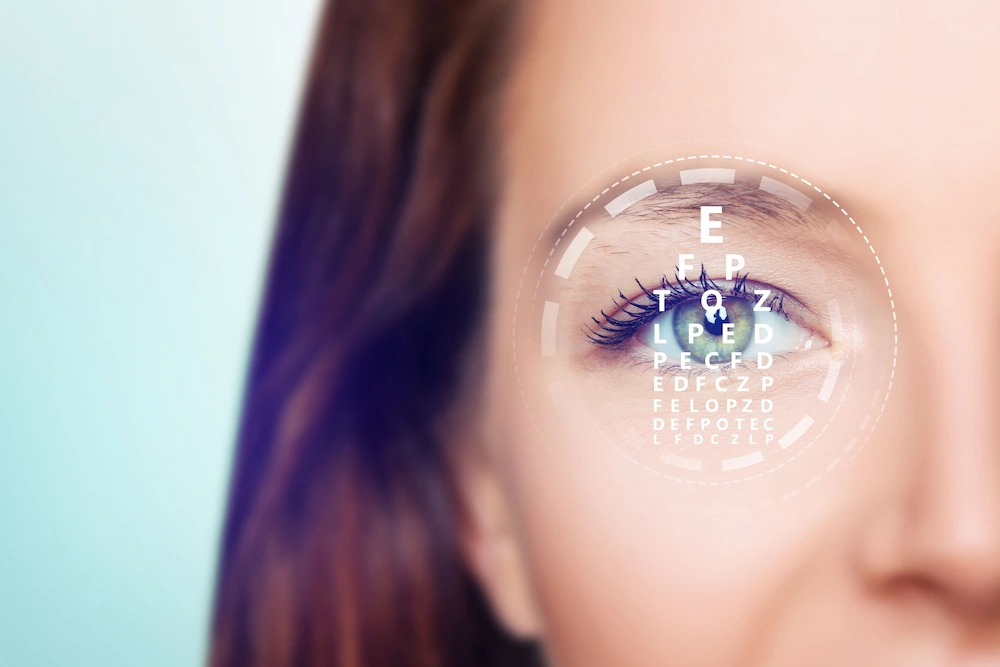
During LASIK, a specialized excimer laser removes microscopic amounts of corneal tissue to correct myopia (nearsightedness), hyperopia (farsightedness), and astigmatism (blurred vision at all distances). The result is improved vision without the need for glasses or contact lenses. Most patients experience significant vision improvement within 24 hours, with full stabilization occurring within three to six months.
LASIK is an outpatient procedure that takes approximately 30 minutes total, with actual laser treatment lasting less than one minute per eye. The procedure is performed under topical anesthesia, meaning you remain awake and comfortable throughout the process.
Are you curious about the cost of LASIK?
Use our LASIK Savings Calculator to learn about how affordable LASIK can be.
How LASIK Works: The Procedure Explained
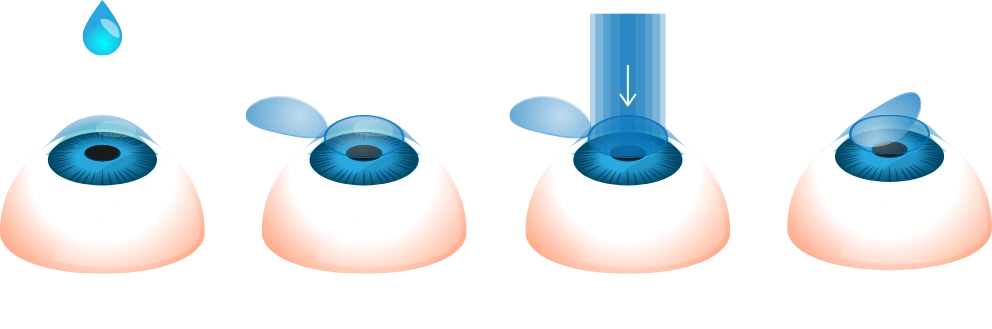
LASIK is a two-step procedure that combines two laser technologies to reshape your cornea with precision.
Step One: Flap Creation
Your surgeon uses a femtosecond laser to create a thin, protective flap on the surface of your cornea. This bladeless, all-laser approach provides greater precision and safety compared to older microkeratome blade technology. The flap is gently lifted to expose the underlying corneal tissue.
Step Two: Corneal Reshaping
An excimer laser is then used to precisely reshape the cornea based on your unique vision prescription. The laser removes microscopic layers of corneal tissue in a pattern customized to your eye. For patients with astigmatism, the laser reshapes the cornea to correct both the spherical and cylindrical components of your prescription.
After the cornea is reshaped, the protective flap is carefully repositioned. It adheres naturally without stitches, and healing begins immediately. Most patients see dramatic vision improvement within hours.

Conditions LASIK Treats
LASIK effectively corrects three primary refractive errors:
Myopia (Nearsightedness): If you have myopia, you see nearby objects well but distant objects appear blurry. LASIK flattens the cornea to reduce its focusing power, allowing light to focus directly on the retina.
Hyperopia (Farsightedness): With hyperopia, distant objects are well-focused but nearby objects appear blurry. LASIK steepens the cornea to increase its focusing power, improving near and intermediate vision.
Astigmatism: Astigmatism occurs when the cornea has an irregular shape, causing blurred vision at all distances. LASIK reshapes the cornea to correct this irregular curvature, providing improved vision at all distances.
Presbyopia: While LASIK cannot reverse age-related presbyopia (difficulty focusing on near objects after age 40), monovision LASIK can be used to correct one eye for distance and one eye for near vision, reducing dependence on reading glasses.
LASIK Technology at Kovach Eye Institute
At Kovach Eye Institute, we utilize the most advanced diagnostic and surgical technology available to ensure optimal outcomes for every patient.
iDESIGN Refractive Suite
The iDESIGN Refractive Suite is a revolutionary diagnostic system that creates a detailed, three-dimensional map of your eye’s unique optical characteristics. This advanced wavefront technology captures over 1,200 measurement points across your cornea, identifying even subtle imperfections that standard eye exams cannot detect.
The iDESIGN system measures:
- Higher-order aberrations: Optical imperfections beyond standard refractive errors that can affect vision quality, contrast sensitivity, and night vision
- Corneal topography: The precise shape and curvature of your cornea
- Pupil size: How your pupil responds to different lighting conditions
- Tear film quality: The stability and quality of your tear layer
This comprehensive data is used to create a personalized laser treatment plan that addresses your unique vision needs. The result is vision that is not only optimized but also enhanced for quality, contrast, and reduced glare and halos, especially in low-light conditions.
SMILE LASIK
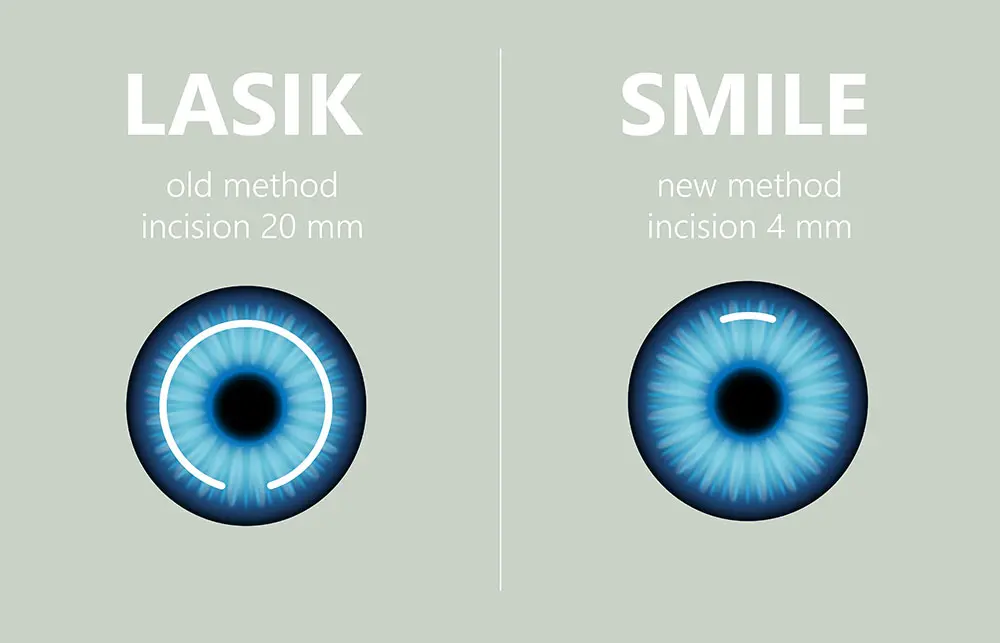
SMILE stands for Small Incision Lenticule Extraction. Unlike traditional LASIK, which creates a large corneal flap, SMILE uses a femtosecond laser to create a small, precise incision (approximately 4-6 millimeters) through which a lenticule (a thin disc of corneal tissue) is removed.
SMILE LASIK offers several advantages over traditional LASIK:
- Smaller Incision: The 4-6 millimeter incision is significantly smaller (approximately 80%) than the 20-millimeter flap created in traditional LASIK, resulting in less corneal nerve disruption and faster healing.
- Reduced Dry Eye: Because fewer corneal nerves are disrupted, patients experience less post-operative dry eye, a common side effect of traditional LASIK.
- Enhanced Corneal Stability: The smaller incision preserves more corneal structural integrity, providing greater long-term stability and reduced risk of ectasia (corneal weakening).
- Faster Visual Recovery: Many patients experience improved vision within 24 hours, with full stabilization in one to three months.
- Ideal for Active Patients: The enhanced corneal stability makes SMILE an excellent choice for athletes, military personnel, and others engaged in contact sports or high-impact activities.

Our Surgeons’ SMILE LASIK Expertise
Kovach Eye Institute was among the first practices in Illinois to offer SMILE LASIK, bringing this innovative procedure to patients throughout Chicago. Our surgeons have extensive experience optimizing outcomes for patients seeking the benefits of this advanced technique, with over 1,000 SMILE LASIK procedures performed collectively.
Our commitment to staying at the forefront of refractive surgery innovation ensures that our patients have access to the latest and most effective treatment options available.
Who Is a Candidate for LASIK?
LASIK is an excellent option for many patients, but not everyone is a suitable candidate. To be considered for LASIK, you should meet the following criteria:
Age: You must be at least 18 years old. Most surgeons prefer patients to be at least 21, as the eyes continue to change slightly until this age.
Stable Prescription: Your eyeglass or contact lens prescription must have remained stable for at least one year. This ensures that your vision is not still changing due to normal eye development.
Adequate Corneal Thickness: Your cornea must be thick enough to safely remove tissue during the procedure. Our surgeons use advanced corneal topography to measure your corneal thickness and determine if you have sufficient tissue for safe treatment.
Healthy Eyes: Your eyes must be free from disease or significant dry eye. Conditions such as keratoconus, cataracts, glaucoma, and severe dry eye may disqualify you from LASIK.
Realistic Expectations: You should understand that while LASIK provides excellent vision correction, it may not eliminate the need for glasses entirely, especially for reading after age 40 (presbyopia).

The LASIK Procedure: What to Expect
Understanding what to expect during your LASIK procedure can help you feel more confident and prepared.
Before Your Procedure
Comprehensive Eye Examination: Your surgeon will perform a thorough eye exam to assess your overall eye health, measure your prescription, and evaluate your corneal shape and thickness using advanced diagnostic technology to develop a personalized treatment plan designed for your unique vision.
Pre-Operative Instructions: You will receive detailed instructions to follow before your procedure, including:
- Discontinue contact lens wear for a specified period (typically one to three weeks) to allow your cornea to return to its natural shape
- Arrange for transportation, as you cannot drive immediately after the procedure
- Avoid makeup, lotions, and perfumes on the day of surgery
- Take prescribed medications as directed
Day of Your Procedure
Arrival and Preparation: You will arrive at our facility and complete final pre-operative checks. Numbing eye drops will be applied to ensure your comfort during the procedure.
Positioning: You will lie comfortably on the surgical bed, and your eye will be positioned under the laser.
Flap Creation: The femtosecond laser creates a thin protective flap on your cornea. You may feel slight pressure, but the numbing drops ensure you experience no pain.
Corneal Reshaping: The excimer laser reshapes your cornea based on your personalized treatment plan. You will see a red light during this step, which helps you maintain focus. The laser makes a clicking sound as it removes corneal tissue. This step typically takes less than one minute per eye.
Flap Repositioning: After reshaping is complete, the protective flap is carefully repositioned. It adheres naturally without stitches.
Protective Shield: A protective shield is placed over your eye to prevent accidental rubbing during the initial healing phase.
Total Procedure Time: The entire procedure takes approximately 30 minutes, with actual laser time lasting less than one minute per eye.
After Your Procedure
Immediate Recovery: You will rest in our recovery area for a short time. Your vision will be blurry immediately after the procedure, but this is normal and temporary.
Post-Operative Instructions: You will receive detailed instructions for the first few days and weeks following your procedure, including:
- Use prescribed eye drops as directed to promote healing and prevent infection
- Wear protective eyewear to prevent accidental eye rubbing
- Avoid strenuous activity, swimming, and contact sports for one to two weeks
- Avoid makeup and lotions around the eyes for one week
- Attend all scheduled follow-up appointments
Vision Recovery Timeline
24 Hours: Most patients experience significant vision improvement within 24 hours, with approximately 90 percent of final vision achieved.
One Week: Vision continues to improve, and most patients can return to normal activities, including work and light exercise.
One Month: Vision stabilizes further, and most patients achieve their final vision outcome.
Three to Six Months: Complete healing and vision stabilization occur. This is when your final vision prescription is determined.
LASIK Safety and Outcomes
LASIK is one of the most studied and safest elective surgical procedures available. Decades of clinical research and millions of successful procedures worldwide demonstrate the safety and effectiveness of LASIK.
Safety Statistics
FDA Approval: LASIK was approved by the FDA in 1997 and has been performed safely for over 25 years.
Patient Satisfaction: Studies show that 95 to 98 percent of LASIK patients report satisfaction with their results.1
Vision Outcomes: Approximately 99 percent of patients achieve 20/40 vision or better (the legal requirement for driving without correction), and 90 to 95 percent achieve 20/20 vision or better.2
Complication Rates: Serious complications occur in less than one percent of LASIK procedures. Most complications are minor and temporary.3
Long-Term Stability: LASIK results are permanent. The corneal reshaping does not change over time.
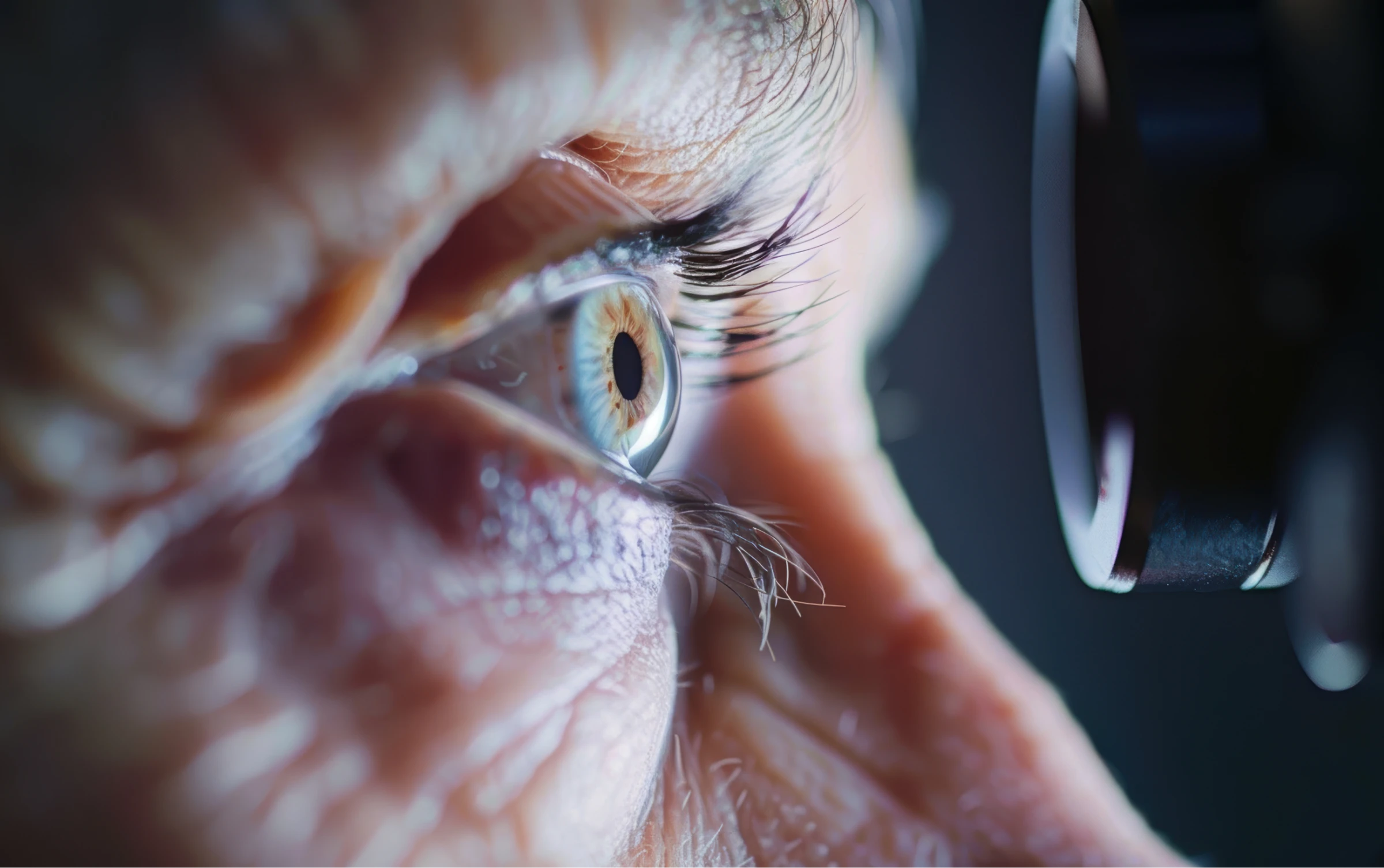
Potential Side Effects and How They Are Managed
While LASIK is safe, like any surgical procedure, it carries some risks. Understanding potential side effects helps you make an informed decision.
Dry Eyes: Temporary dry eye is the most common side effect of LASIK, occurring in 20 to 40 percent of patients. This occurs because the procedure temporarily disrupts corneal nerves that control tear production. Dry eye typically resolves within three to six months with the use of lubricating eye drops. Patients with pre-existing dry eye should discuss this with your surgeon before proceeding.
Glare and Halos: Some patients experience glare or halos around lights, especially at night, during the first few weeks after LASIK. This typically improves as the cornea heals and is usually minimal by three months post-operatively. The iDESIGN technology helps minimize this side effect by customizing the treatment to your unique eye characteristics.
Fluctuating Vision: Vision may fluctuate slightly during the first few weeks as the cornea heals. This is normal and typically resolves as healing progresses.
Under-Correction: In some cases, the laser removes less tissue than intended, resulting in under-correction. If this occurs, an enhancement procedure can be performed to achieve the desired vision correction.
Over-Correction: Occasionally, the laser removes more tissue than intended, resulting in over-correction. This can usually be managed with glasses or contact lenses, or an enhancement procedure can be performed.
Infection or Inflammation: While rare, infection or inflammation can occur after LASIK. These complications are managed with prescribed eye drops and close monitoring.
Corneal Ectasia: This is a rare complication in which the cornea weakens and bulges after LASIK. This risk is minimized by careful patient selection, accurate corneal thickness measurement, and conservative treatment planning. SMILE LASIK carries a lower risk of ectasia due to the smaller incision and preservation of corneal structural integrity.
Our surgeons take a conservative approach to patient selection and treatment planning to minimize the risk of complications and ensure optimal outcomes for every patient.
LASIK Enhancements
In some cases, a LASIK enhancement procedure may be needed to achieve or maintain optimal vision. Enhancement procedures are performed using the same technology and technique as the initial LASIK procedure.
Reasons for Enhancement
Regression: In rare cases, the cornea may gradually return to its original shape over time, resulting in a slight regression of vision correction. This is more common in patients with high myopia.
Under-Correction: If the initial procedure did not remove enough tissue, an enhancement can correct the remaining refractive error.
Changes in Vision: If your vision changes due to aging or other factors, an enhancement can address these changes.
Enhancement Procedure
If you need an enhancement, your surgeon will perform a comprehensive eye exam to determine the appropriate treatment. The enhancement procedure is similar to the initial LASIK procedure but may be performed using a different laser pattern to optimize results.
Most patients who require an enhancement achieve excellent vision outcomes with the procedure.
LASIK Cost and Financing
The cost of LASIK varies depending on several factors, including the complexity of your prescription, the technology used, and whether you are having one or both eyes treated.
At Kovach Eye Institute, we believe that improved vision should be accessible to everyone. We offer flexible financing options to make LASIK affordable for our patients.
We recommend contacting our office to discuss pricing and financing options specific to your situation. Our patient coordinators can provide detailed information about costs and help you explore financing solutions.
Why Choose Kovach Eye Institute for LASIK Surgery
Kovach Eye Institute is a leading provider of advanced LASIK and SMILE LASIK surgery in Chicago and the Chicagoland area, with locations in Naperville, Elmhurst, South Barrington, and Lincolnwood. Patients throughout the greater Chicago area trust our team of experienced board-certified ophthalmologists for customized laser vision correction.
Our Surgeons’ Credentials and Experience
Our surgeons bring decades of combined experience in refractive surgery. Our team includes board-certified ophthalmologists who have completed rigorous training in all aspects of eye care, including advanced refractive surgery techniques. We are committed to staying at the forefront of ophthalmology and refractive surgery through continuing education, professional development, and participation in leading professional organizations.
Pioneering Work in Advanced Procedures
Kovach Eye Institute was among the first practices in Illinois to offer SMILE LASIK and EVO ICL™ procedures. Our surgeons’ pioneering work in these advanced techniques has helped hundreds of patients achieve excellent vision outcomes with the latest technology available.
Extensive Clinical Experience
Our physicians have performed thousands of LASIK and SMILE LASIK procedures combined, with extensive experience optimizing outcomes for patients with diverse vision needs. This depth of experience allows our team to:
- Accurately assess each patient’s candidacy for LASIK or alternative procedures
- Customize treatment plans to address each patient’s unique vision needs
- Anticipate and manage potential complications
- Optimize outcomes for every patient
Patient-Centered Approach
At Kovach Eye Institute, we believe that successful vision correction begins with understanding each patient’s unique vision needs, lifestyle, and expectations. During your consultation, our surgeons take time to:
- Listen to your vision goals and concerns
- Explain your options in understandable language
- Answer all of your questions thoroughly
- Develop a personalized treatment plan tailored to your specific needs
- Ensure you feel confident and prepared for your procedure
Our compassionate, patient-centered approach has earned us the trust and loyalty of thousands of patients throughout the Chicagoland area.
State-of-the-Art Facility
Kovach Eye Institute is equipped with the advanced diagnostic and surgical technology, including the iDESIGN Refractive Suite and ZEISS SMILE laser system. This commitment to technology ensures that every patient receives the highest standard of care.
Our Doctors
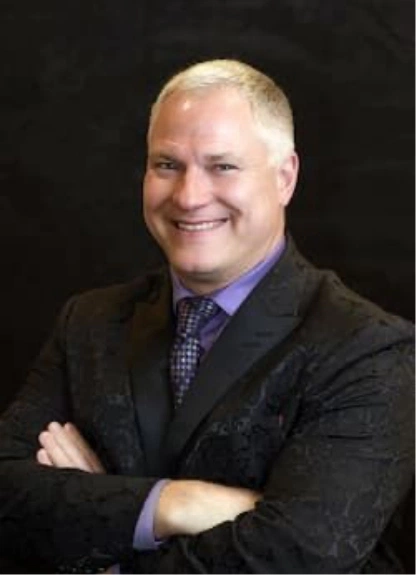
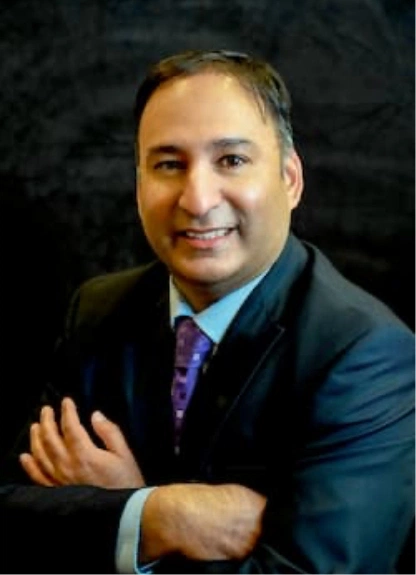
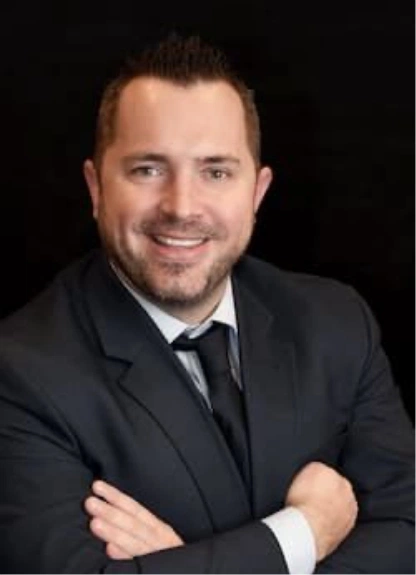
With over 700,000 individuals improving their vision with LASIK, the journey towards visual freedom starts at Kovach Eye.

Reviews from Our Patients
At Kovach Eye Institute we are thrilled to have so many ecstatic patients that are happy with their LASIK eye surgery outcomes. 98% of our patients are happy with their outcome but we want you to make an informed decision. After all, these are your only eyes. You should trust the surgeons doing your vision correction and have confidence that you will have a positive outcome. Many of these patients write reviews. If you are researching LASIK eye surgery we highly suggest reading reviews on people’s experiences. Kovach Eye Institute is very well reviewed and has received top comments from patients. We do not cut corners and only provide the safest and best options for LASIK or any type of refractive surgery.

Had Lasik done by Kovach and his team a little over a week ago. I already had 20/20 vision the next morning. Dr Kovach explained everything he was doing so I knew what to expect. Every single employee at the Naperville location is always very nice and helpful. I would recommend them to everyone. I even got to choose the time of my surgery so I didn't have to miss work. -Kerri S.
Dr. Kovach and staff were very professional and thorough from start to finish! I’m very happy I decided to do my Lasik surgery here. -Lisa R.
Dr. Kovach is awesome. Staff is unbelievable. Did my LASIK and Dr. Kovach was coaching me through the whole procedure. -Mel J.
Frequently Asked Questions About LASIK
Yes, LASIK results are permanent. The corneal reshaping performed during LASIK does not change over time. However, your eyes may change due to aging or other factors, which could affect your vision in the future. Additionally, presbyopia (age-related difficulty focusing on near objects) typically develops after age 40, regardless of whether you have had LASIK. Monovision LASIK can help address presbyopia by correcting one eye for distance and one eye for near vision.
The most common side effect of LASIK is temporary dry eye, which typically resolves within three to six months. Some patients experience glare or halos around lights, especially at night, during the first few weeks after the procedure. These side effects usually improve as the cornea heals. Serious complications are rare, occurring in less than one percent of procedures.
Most patients experience significant vision improvement within 24 hours, with approximately 90 percent of final vision achieved. Vision continues to improve over the first few weeks, with complete stabilization occurring within three to six months. You can return to most normal activities within one week, though you should avoid strenuous activity and contact sports for one to two weeks.
Yes, LASIK effectively corrects astigmatism. The excimer laser is programmed to reshape the cornea to correct both the spherical and cylindrical components of your prescription. Many patients with astigmatism achieve excellent vision outcomes with LASIK.
SMILE LASIK uses a femtosecond laser to create a small incision (2-4 millimeters) through which a lenticule of corneal tissue is removed. Traditional LASIK creates a larger flap (approximately 20 millimeters) that is lifted to expose the cornea for reshaping with an excimer laser. SMILE LASIK offers advantages including a smaller incision, reduced dry eye, enhanced corneal stability, and faster visual recovery. However, both procedures are safe and effective, and the choice between them depends on your individual needs and your surgeon’s recommendation.
Yes, you will be awake during LASIK. Numbing eye drops ensure that you experience no pain during the procedure. You may feel slight pressure during flap creation, but this is normal and temporary. Many patients find the procedure less uncomfortable than they expected.
The entire LASIK procedure takes approximately 30 minutes. Actual laser treatment time is less than one minute per eye. The remaining time is spent on preparation, positioning, and post-operative instructions.
Yes, LASIK is one of the most studied and safest elective surgical procedures available. It has been performed safely for over 25 years, with millions of successful procedures worldwide. Serious complications occur in less than one percent of procedures. Our surgeons use advanced diagnostic technology and conservative treatment planning to minimize the risk of complications and ensure optimal outcomes.
Before your LASIK procedure, you should:
- Discontinue contact lens wear for one to three weeks to allow your cornea to return to its natural shape
- Arrange for transportation, as you cannot drive immediately after the procedure
- Avoid makeup, lotions, and perfumes on the day of surgery
- Take prescribed medications as directed
- Follow all pre-operative instructions provided by our office
After LASIK, you should expect:
- Blurry vision immediately after the procedure, which improves within 24 hours
- Mild discomfort or a scratchy sensation, which can be managed with prescribed eye drops
- Sensitivity to light, which typically resolves within a few days
- Temporary dry eye, which usually resolves within three to six months
- Gradual vision improvement over the first few weeks and months
Follow all post-operative instructions, including using prescribed eye drops and attending scheduled follow-up appointments.
Yes, LASIK is typically performed on both eyes during the same procedure. This approach allows you to achieve balanced vision correction and return to normal activities more quickly. Your surgeon will discuss the best approach for your individual situation during your consultation.
The best way to determine if you are a candidate for LASIK is to schedule a comprehensive consultation with our surgeons. During your consultation, they will perform a thorough eye exam, measure your prescription, evaluate your corneal shape and thickness, and discuss your vision goals and expectations. Based on this evaluation, they will recommend the best vision correction option for you, whether that is LASIK, SMILE LASIK, EVO ICL, or another procedure.
Kovach Eye Institute stands out for several reasons:
- Pioneering work in SMILE LASIK and EVO ICL, bringing these advanced procedures to Illinois first
- Decades of combined experience in refractive surgery
- State-of-the-art technology, including the iDESIGN Refractive Suite and ZEISS SMILE laser system
- Patient-centered approach focused on understanding your unique vision needs
- Comprehensive pre-operative and post-operative care
- Commitment to ongoing education and staying current with the latest advances in refractive surgery
- Convenient locations throughout Chicago including:, Naperville, Elmhurst, South Barrington, and Lincolnwood.

Contact Us to Schedule Your LASIK Consultation
Ready to achieve improved vision without glasses or contacts? Schedule your LASIK consultation with our experienced surgeons at Kovach Eye Institute today.
During your consultation, our surgeons will:
- Perform a comprehensive eye exam
- Explain your treatment options
- Answer all of your questions
- Develop a personalized treatment plan based on your health, visual goals and lifestyle.
Contact Kovach Eye Institute today to schedule a consultation at one of our convenient locations near you. We look forward to helping you achieve the improved vision you deserve.
1 Bamashmus MA, Hubaish K, Alawad M, Alakhlee H. Functional outcome and patient satisfaction after laser in situ keratomileusis for correction of myopia and myopic astigmatism. Middle East Afr J Ophthalmol. 2015 Jan-Mar;22(1):108-14. doi: 10.4103/0974-9233.148359. PMID: 25624684; PMCID: PMC4302464. Available: https://pubmed.ncbi.nlm.nih.gov/25624684/. Accessed February 18, 2026
2 American Refractive Surgery Council. LASIK Complication Rate: The Latest Facts and Stats You Should Know. Available: https://americanrefractivesurgerycouncil.org/lasik-complication-rate-latest-facts. Accessed February 18, 2026.
3 American Refractive Surgery Council. LASIK Complication Rate: The Latest Facts and Stats You Should Know. Available: https://americanrefractivesurgerycouncil.org/lasik-complication-rate-latest-facts. Accessed February 18, 2026.
The doctors at Kovach Eye Institute have either authored or reviewed and approved this content.
Page Updated: